Incident details
- Date of incident
- July 10, 2026
- Location
- Washington, District of Columbia
- Targets
- The New York Times
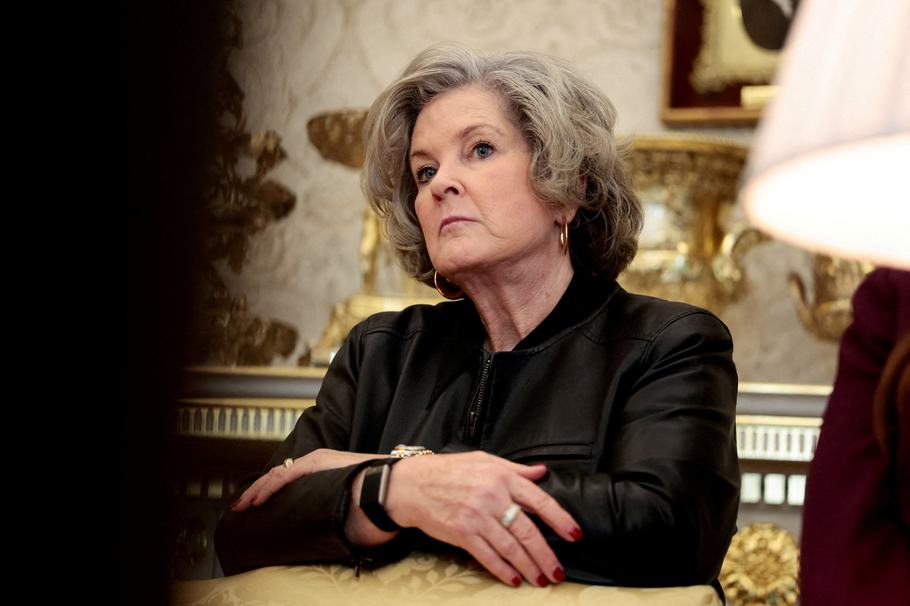
White House chief of staff Susie Wiles in the Oval Office in Washington, D.C., in December 2025.
As White House chief of staff and Donald Trump’s closest aide, Susie Wiles has supported the president in taking steps to intimidate leakers and members of the news media. We’re documenting her efforts in this regularly updated report.
Read about how Trump’s appointees and allies in Congress are striving to chill reporting, revoke funding, censor critical coverage and more here.
This article was first published on July 21, 2026.
July 10, 2026 | Wiles asks for White House staffers’ phones in leak investigation
Susie Wiles — President Donald Trump’s chief of staff and his closest aide — orchestrated an expansive leak investigation at the White House alongside FBI Director Kash Patel on July 10, 2026.
The pair sought to identify the source behind The New York Times’ recent reporting that, after taking his new Qatari-donated Air Force One on its maiden voyage to Turkey for a NATO meeting, Trump reverted to the former plane at the urging of the Secret Service. Subsequent reporting revealed that the new plane was not outfitted with the same defensive countermeasures.
Patel was tapped to oversee a leak investigation into the Times’ coverage, the newspaper reported, and in a major departure from precedent, he ran his July 10 inquiry from the White House.
CNN reported that Patel and Wiles established a “war room” next to her office in the West Wing and directly oversaw the investigation, which included asking officials from various agencies who had traveled with Trump or had a role in his trip to turn over their cellphones for review.
Later that day, a U.S. attorney issued multiple subpoenas targeting the Times: three were issued to the Times reporters behind the articles, demanding they appear to testify about their confidential sources. At least two others were issued to a phone provider seeking subscriber information and usage reports for accounts connected to the journalists.
Additional third-party subpoenas seeking the journalists’ records were issued July 14 and July 16.
In a statement to CNN, a White House official said: “Leaks that jeopardize the safety of the President, his staff, and the traveling press pool are dangerous and a threat to national security. The White House takes these leaks seriously and will do everything legally to ensure the individual or individuals are caught and it does not happen again.”
The Times has filed a motion to quash the subpoenas and has asked the court to unseal its filings in the interest of public access.
The U.S. Press Freedom Tracker catalogs press freedom violations in the United States. Email tips to [email protected].
Related Incidents
-
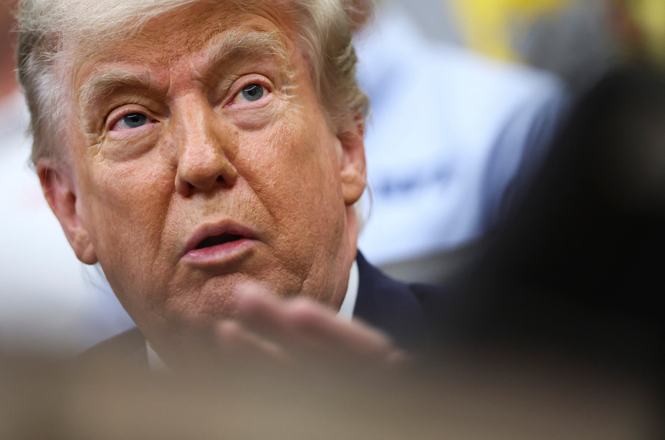
Trump targets news media, punishing critical coverage of his second term
- Date of incident
- Location
- Washington, District of Columbia
- Targets
- David Sanger (The New York Times), CNN, Media, MSNBC/MS NOW, Politico, The New York Times
-
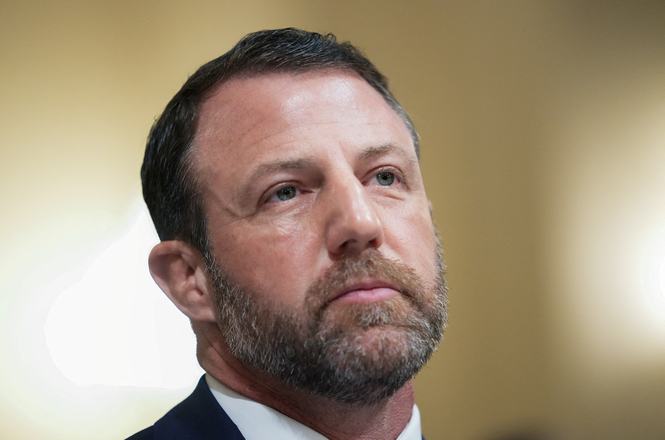
Markwayne Mullin targets press as secretary of homeland security
- Date of incident
- Location
- Washington, District of Columbia
- Targets
- Media
-
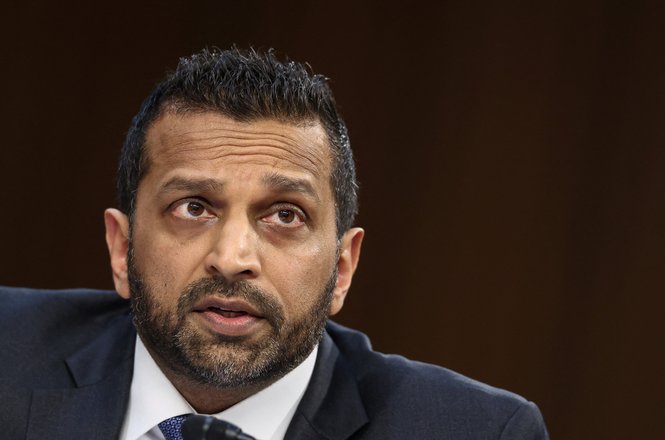
FBI Director Kash Patel targets press
- Date of incident
- Location
- Washington, District of Columbia
- Targets
- Elizabeth Williamson (The New York Times), Sarah Fitzpatrick (The Atlantic), The Atlantic, The New York Times
-
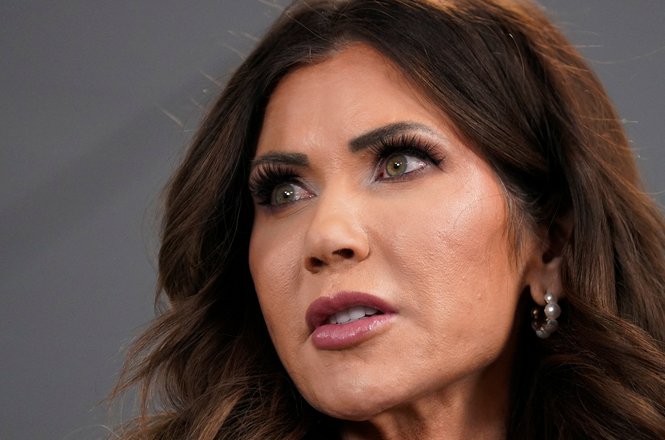
Homeland Security Secretary Kristi Noem targets press, leakers
- Date of incident
- Location
- Washington, District of Columbia
- Targets
- Shawn Cohen (Daily Mail)