Incident details
- Date of incident
- April 14, 2026
- Location
- Saint Paul, Minnesota
- Targets
- Georgia Fort (Independent)
- Legal orders
-
-
subpoena
for
communications or work product
- April 14, 2026: Pending
- May 27, 2026: Dropped
-
subpoena
for
communications or work product
- Legal order target
- Third-party: YouTube (tech company)
- Legal order venue
- Federal
Subpoena/Legal Order
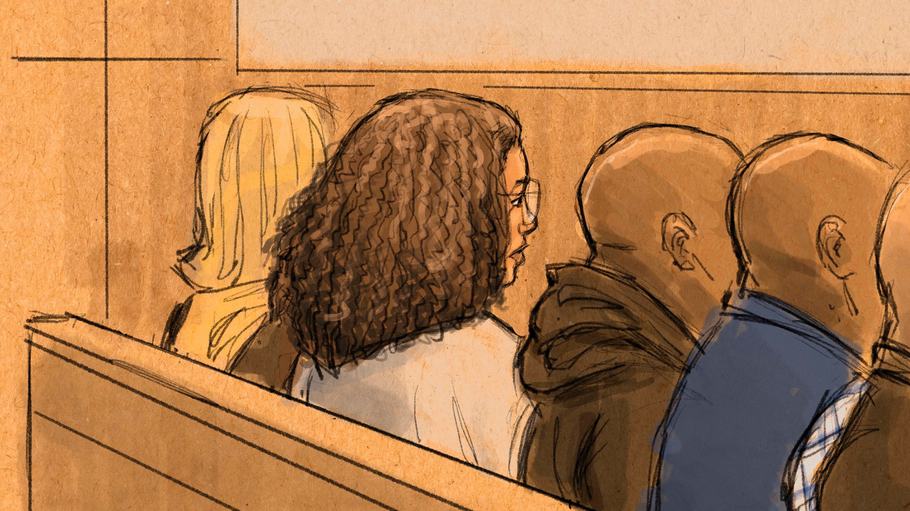
A courtroom sketch shows Georgia Fort at her Jan. 30, 2026, hearing in Minneapolis, Minnesota. The journalist’s YouTube account was targeted with a grand jury subpoena on April 14.
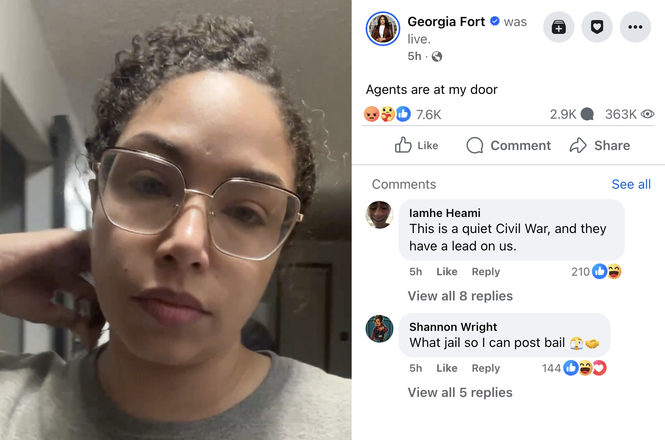
Independent journalist Georgia Fort’s YouTube account was targeted with a grand jury subpoena on April 14, 2026, part of an ongoing Department of Homeland Security investigation into a protest she documented in St. Paul, Minnesota, months earlier. The subpoena was eventually withdrawn in May.
Fort’s YouTube account information had already been the focus of an April 3 administrative subpoena, a type of legal order that does not require judicial oversight. Google, the parent company of YouTube, told the U.S. Press Freedom Tracker earlier that it had not complied with the April 3 subpoena.
Both legal orders were part of Fort’s ongoing prosecution on charges connected to her reporting of the Jan. 18 anti-deportation demonstration, which disrupted a church service.
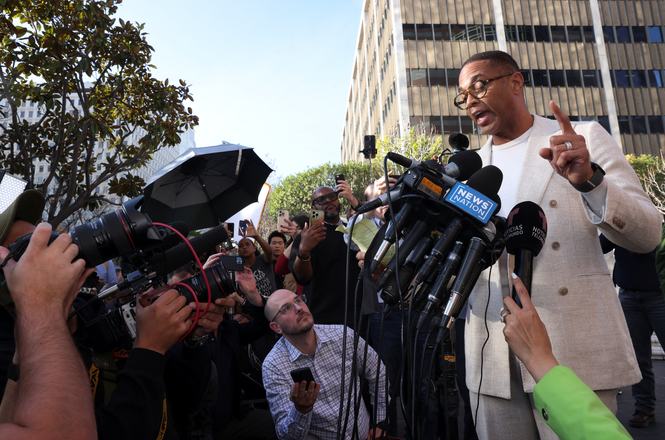
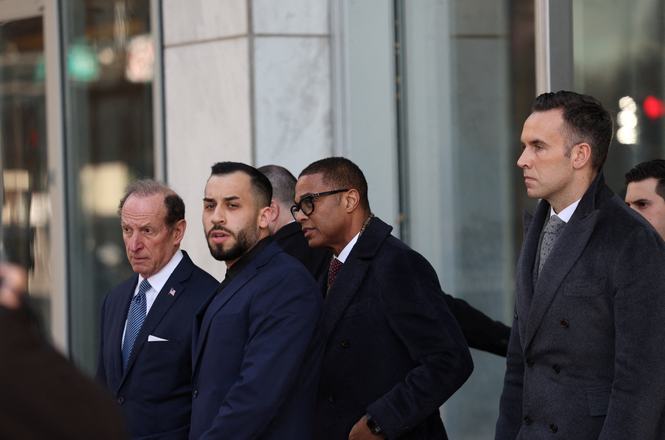
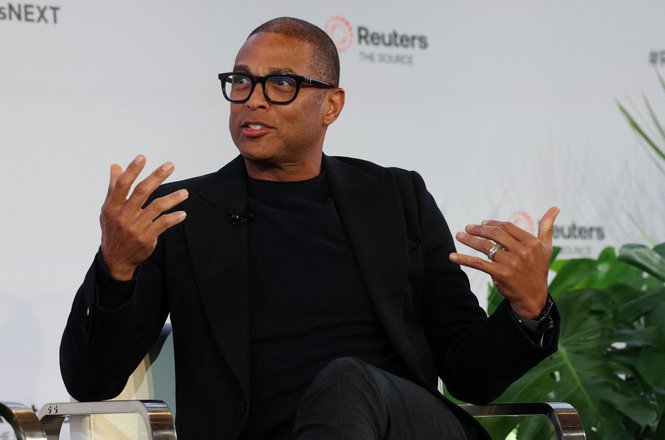
Journalists Don Lemon and Junn Bollmann were also indicted on the same charges.
The April 14 subpoena requested the same information that the earlier April 3 administrative subpoena had demanded, including IP address, payment information and email addresses associated with the account.
Separately, a grand jury issued a second subpoena April 14 requesting the identical account information for Fort, in addition to Lemon. It was unclear why the same information had been requested twice.
The batch of new subpoenas came to light through efforts Google began in early May to repudiate the various legal requests and to unseal them to the public. By Sept. 3, the company had filed a motion to unseal, arguing that the First Amendment mandated that the public had a right to access the grand jury proceedings.
On Oct. 28, a federal judge agreed and ordered the subpoenas unsealed and released Nov. 9, revealing that on May 27 the government had dropped the April 14 subpoenas.
The U.S. Press Freedom Tracker catalogs press freedom violations in the United States. Email tips to [email protected].