Incident details
- Date of incident
- May 26, 2026
- Location
- Washington, District of Columbia
- Targets
- Media
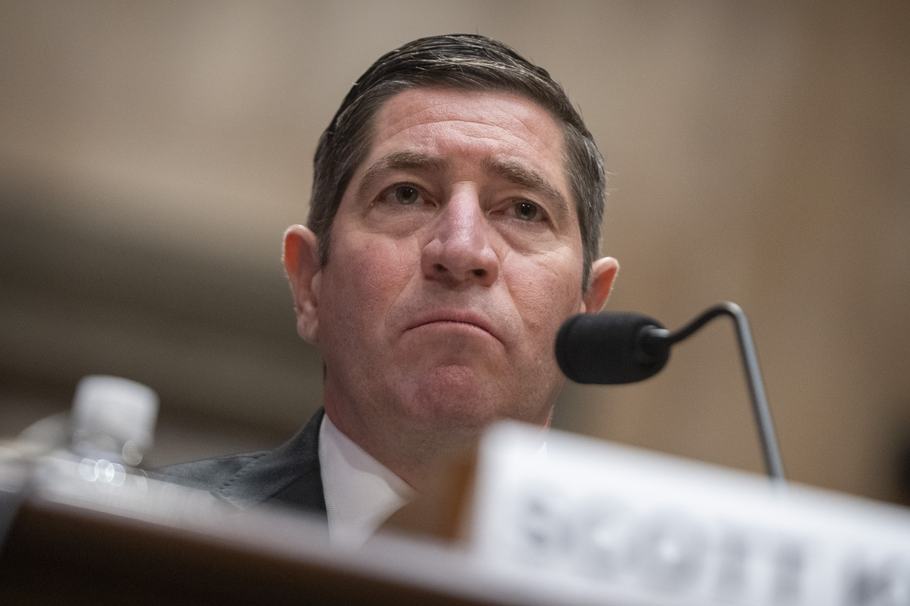
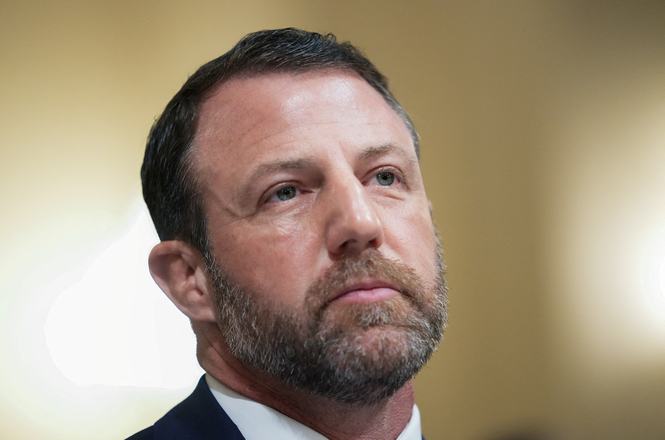
Scott Kupor, then-nominee for director of the Office of Personnel Management, listens during a congressional hearing in Washington, D.C., in April 2025.
After Donald Trump began his second term, Director of the Office of Personnel Management Scott Kupor joined the president in taking steps to intimidate leakers and prevent unauthorized disclosures. We’re documenting Kupor’s efforts in this regularly updated report.
Read about how Trump’s appointees and allies in Congress are striving to chill reporting, revoke funding, censor critical coverage and more here.
This article was first published on July 7, 2026.
May 26, 2026 | Head of government personnel office proposes NDAs for federal employees
Scott Kupor, director of the Office of Personnel Management, released a draft nondisclosure agreement on May 26, 2026, and proposed its use for all federal workers in an attempt to crack down on leaks to the news media.
The OPM, which functions as the human resources office for the U.S. government, requested comment on the draft NDA, which it said would ensure that civil servants do not disclose “federal records and other non-public, confidential, or proprietary information” outside of authorized channels.
It added that, for the purposes of the NDAs, that information would include “information relating to internal agency operations, personnel matters, procurement processes, or any sensitive, pre-decisional or deliberative material that is not currently publicly available.”
The proposal specifically cited multiple news articles as evidence of such unauthorized disclosures.
Kupor defended the proposal in a statement to The Washington Post.
“In much of the private sector, employees handling sensitive business or customer information are routinely required to sign confidentiality agreements, and the federal government should not be held to a lower standard,” he wrote.
The public comment period for the draft closed June 26.
The proposal is the latest in a series of efforts by President Donald Trump and his administration to identify and plug leaks. Former National Intelligence Director Tulsi Gabbard, Defense Secretary Pete Hegseth, former Secretary of Homeland Security Kristi Noem and FBI Director Kash Patel all announced aggressive investigations into the source of leaks to the media in 2025.
Freedom of the Press Foundation, of which the U.S. Press Freedom Tracker is a project, condemned the OPM proposal as absurd, unnecessary and “dangerously secretive.”
“This policy, from a president who has previously attempted to impose oppressive, corporate-style confidentiality and nondisclosure agreements on federal employees, would kneecap whistleblower protections, undermine the First Amendment, and wrongly inhibit the public’s right to know,” wrote Lauren Harper, the FPF Daniel Ellsberg chair on government secrecy. “It comes at a time when agency watchdogs are sidelined, FOIA officials are being fired, and leaks to the press — which are the sole reason the public knows about so much of this administration’s misconduct — are being demonized and prosecuted.”
Esha Bhandari, director of the American Civil Liberties Union’s Speech, Privacy and Technology Project, told the Post that efforts to “muzzle” government workers with NDAs would violate the First Amendment.
“Such broad gag orders would leave the public in the dark about how the government works, preventing the kind of informed debate that is critical to democratic accountability,” she said. “The government can’t shroud itself in secrecy in a democracy.”
The U.S. Press Freedom Tracker catalogs press freedom violations in the United States. Email tips to [email protected].
Related Incidents
-
Todd Blanche targets press, leakers as acting attorney general
- Date of incident
- Location
- Washington, District of Columbia
- Targets
- ABC News, CBS News, CNN, Fox News, Media, NBC News
-
Rep. Jason Smith targets press as chair of Ways and Means Committee
- Date of incident
- Location
- Washington, District of Columbia
- Targets
- BreakThrough News
-
Trump targets news media, punishing critical coverage of his second term
- Date of incident
- Location
- Washington, District of Columbia
- Targets
- David Sanger (The New York Times), CNN, Media, MSNBC/MS NOW, Politico, The New York Times
-
Markwayne Mullin targets press as secretary of homeland security
- Date of incident
- Location
- Washington, District of Columbia
- Targets
- Media